Magnetic Therapy and EMF Exposure: Exploring Healing for Cellular Damage

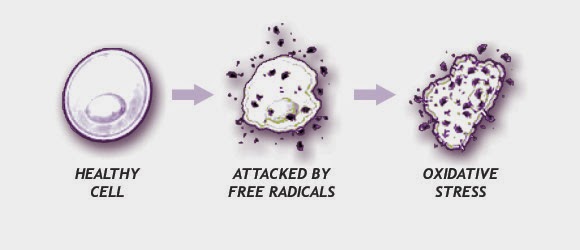
Understanding EMF and Cellular damage:

How Magnetic Therapy Works:

Magnetic therapy involves the use of magnets to generate a magnetic field that interacts with the body’s natural energy fields. Proponents of magnetic therapy propose that this interaction can positively influence cellular activity, promoting balance and facilitating the body’s natural healing processes. In the context of EMF exposure, magnetic therapy is theorized to counteract the potential negative effects on cells.

Benefits of Magnetic Therapy for Cellular Damage:

Reduction of Inflammation:

Some studies suggest that magnetic therapy can have anti-inflammatory effects. By reducing inflammation, magnetic therapy promotes the healing process of cells that have been exposed to EMFs.

Studies

Improved Blood Circulation:

Magnetic fields influence blood circulation by dilating blood vessels and enhancing the flow of oxygen and nutrients to cells. Improved circulation is crucial for cellular health and aids in the recovery of cells that have experienced damage from EMF exposure as it ensures that vital organs receive the necessary nutrients for optimal healing and function.

Studies

Enhanced Cellular Repair Mechanisms:

The magnetic fields used in magnetic therapy stimulate cellular repair mechanisms. This stimulation may support the restoration of cells damaged by EMF exposure.

Studies

Balanced Energy Fields:

Magnetic therapy is also associated with balancing the body’s energy fields. This balance is believed to promote overall well-being and support the body in recovering from various stressors, including the potential impact of EMF exposure.

Studies

Enhanced Sleep Quality:

By influencing the body’s energy flow and promoting relaxation, the magnets can contribute to a more restful sleep. This benefit is particularly helpful for individual’s who are EHS (electromagnetism hypersensitive) and struggling with insomnia or other sleep disorders.

Studies

Reduces Stress and Harmonizes hormones

Magnetic therapy is also reported to reduces stress and stabilize individuals mood. The magnetic fields can help balance the body’s energy field, which then promotes the bodies natural flow of hormones. This is beneficial for individuals how feel erratic and fatigue from the stress that EMF radiation is putting on their body.

Studies

Final Thoughts:

While it is clear that magnetic therapy can heal individuals experiencing cellular damage from EMF exposure it is important that you do not become careless. It is important that you still take precautions to mitigate your exposure like sleeping with your devices turned on air-plane mode and away from your head. Also when using devices that harness magnetic therapy such as our SleepSafe it is very very very important you do not have RF-EMF devices near it and you. For example you should not sleep with your phone in the SleepSafe with you. It is advised that you do not bring any devices into the SleepSafe other than a simple radiation free alarm as the magnetic field could damage the electronics in it. To learn ways to limit your exposure during the day and in public read this article.
Individuals considering magnetic therapy for this purpose should consult with healthcare professionals and be mindful that it is not a substitute for established medical treatments. As technology continues to advance, understanding the potential health effects of EMF exposure and exploring complementary approaches like magnetic therapy can contribute to a holistic approach to wellness.

Leave a Reply

Your email address will not be published. Required fields are marked *

Study Summaries of Magnetic Therapy Reducing Inflamation
    • Magnet therapy for the relief of pain and inflammation in rheumatoid arthritis (CAMBRA): A randomized placebo-controlled crossover trial.

      Rheumatoid arthritis, a prevalent inflammatory autoimmune condition, poses a substantial economic burden in the management of chronic musculoskeletal disorders. This study establishes a noteworthy correlation, indicating that Magnet therapy plays a pivotal role in alleviating this burden. The primary objective of the CAMBRA trial is to rigorously examine the efficacy of magnet therapy in mitigating pain and inflammation associated with rheumatoid arthritis. Employing a randomized crossover design, each participant will serve as their own control. The principal advantage of this design lies in the reduction of error variance, consequently minimizing the necessary sample size for the trial.

      “The recommended approach for assessment of outcomes in clinical trials of treatments for Rheumatoid arthritis is to examine change according to a ‘core set’ of disease activity measures defined by the American College of Rheumatology (ACR) [3,4850]. This consists of seven measures:

      1. Tender joint count

      2. Swollen joint count

      3. Physician’s global assessment of disease activity

      4. Patient’s global assessment of disease activity

      5. Patient’s assessment of physical function

      6. Patient’s assessment of pain

      7. Acute phase reactant value”

      The data collected from the final 66 patients using questionnaires, diaries, manual pill counts and blood tests showed a significant reduction of their Rheumatoid arthritis symptoms. Through analysing the seven measurements above the patients showed an overall reduction in pain, inflammation, disease activity and improved physical function.

      Richmond SJ. Magnet therapy for the relief of pain and inflammation in rheumatoid arthritis (CAMBRA): a randomised placebo-controlled crossover trial. Trials. 2008 Sep 12;9:53. doi: 10.1186/1745-6215-9-53. PMID: 18789135; PMCID: PMC2556642.

  • The Use of Magnetic Field for the Reduction of Inflammation:

    “Interest in magnetic field (MF) therapy has increased rapidly in recent years as research shows that this noninvasive, cost-effective modality might be safer than drugs and surgical procedures for reduction of inflammation. Inflammation is a signal-mediated response to tissue invasion by pathogens or toxins or to injury or physical stresses. The immune response plays a pivotal role in reaction to insult, which triggers an inflammatory response almost immediately. Commonly, pharmaceuticals are used to suppress inflammation, although some evidence shows that suppressing inflammation can hinder wound healing. Immunological studies show that MF therapy, even low-intensity MF, interacts with cells and tissues, and the use of MF as an alternative or complement to currently prescribed therapies could lead to a faster reduction in the inflammatory response. This review highlights past and present outcomes in bio-electromagnetic therapies and some of the more promising findings on the effect that MF therapy plays in inflammatory responses.”

    Because Magnetic Fields (MF) can be applied almost immediately after injury and can penetrate vascularized tissue. The benefits of using MF as a complement or alternative to anti-inflammatory treatments can be advantageous. When compared to the standard of care, MF therapies are a effective viable complement or alternative to treating inflammation in most patients.

    Ross, Christina & Harrison, Benjamin. (2013). The Use of Magnetic Field for the Reduction of Inflammation: A Review of the History and Therapeutic Results. Alternative therapies in health and medicine. 19. 47-54.

Powered by
Study Summaries that Investigate Magnetic therapy Improving Blood Circulation
  • Study: Do Magnetic Fields Have a Place in Treating Vascular Complications in Diabetes?

    Static magnetic fields (SMFs) have been reported to increase micro-circulatory blood flow by mediating vaso-dilation via nitric oxide. This study reveals that exposure to SMFs induces homeostatic effects, normalizing vascular tone, which may prove advantageous in scenarios where tissue perfusion is compromised, as commonly observed in diabetes. The primary objective of this investigation was to conduct a critical review of previous applications of SMFs to assess their relevance and efficacy in addressing diabetic complications. The aim was to furnish comprehensive information for making informed decisions regarding the potential utilization of these modalities in the treatment of individuals with diabetic complications. Key focus areas included wound healing, neuropathy, blood glucose control, blood flow dynamics, inflammation, and oxidative stress.

    The data in this investigation showed strong “evidence for potentially useful outcomes for diabetic wounds, neuropathic pain, inflammation, blood glucose levels, and possibly blood flow… The benefit of SMF is also potentially useful in the treatment of other diabetic complications as reported for improvements in blood glucose levels, neuropathy scores, and tissue perfusion via vascular vaso-dilation. SMF treatment has also been reported to improve healing rates, reduce healing time, and increase tensile strength in diabetic wounds [10,15].”

  • Secondary Study:Magnets Keep Blood Flowing.

    Physicist Rongjia Tao of Temple University in Philadelphia, Pennsylvania, and medical physicist Ke Huang of the University of Michigan, Ann Arbor, searched for a novel way to prevent heart attacks and strokes. In their studies they found that strong magnetic fields can dramatically reduce the thickness, or viscosity, of blood flowing through a tube.

    “Strokes and heart attacks, the leading causes of death in the industrialized world, are often linked to high blood viscosity. Thicker blood damages blood vessels, and in repairing the damage, the vessels build up fatty deposits, which make strokes and heart attacks more likely. Currently, the only way to reduce blood viscosity is with drugs like aspirin, which inhibit the tendency of blood to clot. But aspirin has side effects: in high doses, it can lead to stomach bleeding, ulcers, and even tinnitus, or ringing of the ears.”

    The physists found that “just 1 minute inside the field was enough to reduce the blood viscosity by 20% to 30%. After exposure, the viscosity went back up to its original value after about 2 hours, but they could repeat the process to take it down again.” The results are more endepthly described in a paper in Physical Review E.

    These Scientist described how this magnetic effect all comes down to hemoglobin, the iron-based protein inside red blood cells. In the same way that iron filings align themselves along the field lines around a bar magnet, so the red blood cells align themselves along the straight field lines of Tao and Huang’s electromagnet. This reduces viscosity in several ways. For one, the cells become streamlined with the direction of flow. The alignment also encourages the cells to stick together, forming clumps of various sizes. Although one might think clumps would increase viscosity, they actually have a lower total surface area compared with single cells, and this cuts down on friction.

    Jon Cartwright. Researchers show that magnetic fields can reduce blood viscosity, a leading cause of heart attack and strokes. 9 Jun 2011

Powered by
Study Summarys that Investigate Magnetic Therapy Repairing Cells
  • Magnetic targeting as a strategy to enhance therapeutic effects of mesenchymal stromal cells

    Mesenchymal stromal cells (MSCs) have been extensively investigated in the field of regenerative medicine. It is known that the success of MSC-based therapies depends primarily on effective cell delivery to the target site where they will secrete vesicles and soluble factors with immunomodulatory and potentially reparation properties. However, some lesions are located in sites that are difficult to access, such as the heart, spinal cord, and joints. Additionally, low MSC retention at target sites makes cell therapy short-lasting and, therefore, less effective. In this context, the magnetic targeting technique has emerged as a new strategy to aid delivery, increase retention, and enhance the effects of MSCs. This approach uses magnetic nano-particles to magnetize MSCs and static magnetic fields to guide them in vivo, thus promoting more focused, effective, and lasting retention of MSCs at the target site. In the present review, we discuss the magnetic targeting technique, its principles, and the materials most commonly used; we also discuss its potential for MSC enhancement, and safety concerns that should be addressed before it can be applied in clinical practice.

    “The intensity and duration of the beneficial effects of clinical MSC administration may be enhanced by MT [Magnetic Therapy], due to the efficacy of this technique in guiding cells to disease foci, improving their retention and engraftment, and, possibly, enhancing immunomodulatory properties. Therefore, MT is a potentially exciting approach for improving the efficacy of MSC-based cell therapies.”


Powered by
Study Summary of Magnetic Field Influencing the Body's Energy Field
  • Study:Magnetic Therapy for Pain Management:

 The study published in the “Journal of Pain Research” in 2018 investigate the effectiveness of static magnets for pain relief. The study explores the interaction with the body’s energy fields through focusing on pain outcomes, which are closely linked to neural signaling and physiological responses. The research involved the application of static magnets to specific areas associated with pain in a controlled experimental setting. The study utilized objective measures to assess changes in pain perception and intensity. Results suggested potential benefits in pain management through the static magnets interaction with the cells electric field with in turn impacts the bodies energy field.

Powered by
Study Summaries investigating Magnetic Therapy's impact on Sleep Quality
  • Study: Efficacy and Safety of Magnetic Therapy System in Insomnia Disorder: A Multicenter, Randomized, Double-Blind, Placebo-Controlled Trial.

    The primary objective of this study is to evaluate the efficacy and safety of the Magnetic Therapy System (MTS) in ameliorating insomnia disorder. Individuals diagnosed with insomnia disorder were randomly assigned to either the MTS intervention or a sham treatment over a four-week period (n=153; MTS: 76, sham: 77). The primary outcome measures include the Insomnia Severity Index (ISI) scores recorded at week 0 (baseline), 1, 2, 3, 4 (during treatment), and 5 (follow-up). Secondary outcomes encompass assessments using the Pittsburgh Sleep Quality Index at baseline and week 4, as well as weekly values derived from sleep diaries, including sleep latency, sleep efficiency, real sleep time, waking after sleep onset, and overall sleep duration.

    The results showed that “nearly 70% of the participants at the end of the treatment and 75% after 1 week’s follow-up in the MTS group no longer exhibited clinically significant insomnia symptoms (ISI ≥9), almost twice as much as in the sham group.”

    The current study provides compelling evidence that a magnetic therapy system, is highly effict and safe among adults with mild to moderate insomnia disorder. “Magnetic Therapy has great promise as an at-home at night treatment for insomnia disorder.”

  • Study: Modulation of Sleep Architecture by Whole-Body Static Magnetic Exposure: A Study Based on EEG-Based Automatic Sleep Staging.

    A gradual rise in sleep-related issues has paralleled societal advancements. Although previous investigations have suggested that overnight exposure to a static magnetic field enhances sleep quality, these studies primarily relied on subjective evaluations, limiting the detailed inference of sleep architecture. This study employed a magneto-static mattress over a four-night period, utilizing self-reported scales and electroencephalogram (EEG) measurements to assess the impact of static magnetic field exposure (SMFE) on sleep. Leveraging machine learning algorithms, specifically decision tree and support vector machine, trained and optimized with an open-access sleep EEG dataset, enabled the automatic discrimination of individual sleep stages. The results revealed that SMFE reduced the duration of light sleep (N2%) by 3.51% and sleep onset latency (SOL) by 15.83%, while concurrently increasing deep sleep duration (N3%) by 8.43% compared to the sham SMFE group. Additionally, overall sleep efficiency (SE) was augmented by SMFE. This study, to the best of our knowledge, represents the first exploration of sleep architecture alterations induced by SMFE, offering valuable insights for the development of non-invasive sleep-facilitating devices.

    The subjective and objective analysis suggest that static magnetic field therapy (varying across the body ranging at 0.5~150 mT) given at night may improve sleep quality and the effects were also manifested in the changes in sleep architecture. Sleep stages were discerned with a set of eight EEG (electroencephalogram) metrics using machine learning operators. The results of the last two nights during the experiment indicated reduced Sleep onset latency (SOL), increased Sleep efficiency, and enhanced N3. These findings revealed that SMFE could improve sleep quality in terms of both sleep duration and sleep structure. The possible mechanisms have also been discussed. The present study may contribute to the development of instrumentation for promoting sleep improvement in individuals with sleep disorders.

Powered by
Study Summary on Magnetic Therapy Influence on Hormone Regulation
  • Study: Magnetic field therapy: a review

    Growing interest surrounds the therapeutic application of permanent magnets has spread in both fundamental scientific literature and clinical observations. Magneto-therapy presents a non-invasive and straightforward approach to directly address injury sites, alleviate pain and inflammation, and modulate hormone regulation. The physiological bases for the use of magnetic fields for tissue repair as well as physical principles of dosimetry and application of various magnetic fields are subjects of this review. Analysis of the magnetic and electromagnetic stimulation is followed by a discussion of the advantage of magnetic field stimulation compared with electric current and electric field stimulation.

    The intricacies of the human body, comprised of cells, tissues, and organs, each governed by the behavior of atoms with their inherent magnetic fields, form the backdrop of this investigation. In understanding the interaction between magnetic fields and the human body, the study sheds light on the potential influence of these fields on vital bodily functions, such as nerve and muscle activity, hormone release, and the behavior of ions like calcium and potassium, ultimately contributing to the ongoing exploration of magnetic therapies.

    This investigation delves into magnetic therapy potential to enhance physical well-being and its alleviation of stress on the body, particularly in the context of cells undergoing oxidative stress. Although mental health is definately influenced by a combination of biological, psychological, and social factors this study has shown cell regeneration significantly correlating to symptoms of improved mental well-being, as the reduced necessity for the release of stress hormones alleviates the burden on the body.

Powered by
en_USEnglish