OFFERING WORLD WIDE SHIPPING!!



What exactly is EMF? Demystifying the Physics of Electromagnetic Fields (EMF)
Electromagnetic fields (EMF) are an essential aspect of the physical world, governing the behavior of charged particles and playing a fundamental role in the functioning of countless technological marvels. Understanding the physics behind EMF requires unraveling the intricate dance of electric and magnetic forces that shape the fabric of our electromagnetic universe.
The Basics of EMF:
At its core, an electromagnetic field is a region of space where electric and magnetic forces interact. These forces are intrinsically linked, as elucidated by the electromagnetic force, one of the four fundamental forces in nature. According to electromagnetic theory, changing electric fields induce magnetic fields, and vice versa, giving rise to the law of Electromagnetic Induction.
Maxwell’s Equations:
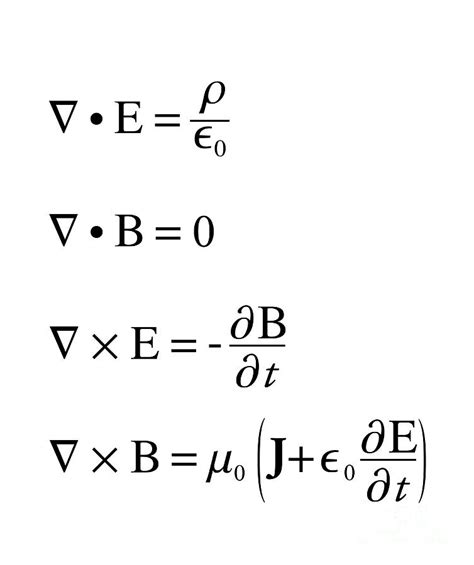
The theoretical underpinning of electromagnetic fields is encapsulated in Maxwell’s equations, a set of four fundamental equations formulated by James Clerk Maxwell in the 19th century. These equations elegantly describe the behavior of electric and magnetic fields in the presence of charges and currents. Maxwell’s equations unify electricity and magnetism, providing the theoretical foundation for understanding the propagation of electromagnetic waves.
Propagation of Electromagnetic Waves:
One of the most fascinating aspects of EMF physics is the propagation of electromagnetic waves through space. These waves, characterized by their frequency and wavelength, travel at the speed of light (approximately 3 x 10^8 meters per second) in a vacuum. The relationship between frequency (f), wavelength (λ), and the speed of light (c) is defined by the simple equation c = fλ, highlighting the inversely proportional nature of frequency and wavelength.
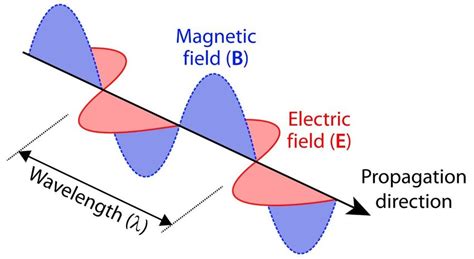
The Electromagnetic Spectrum:
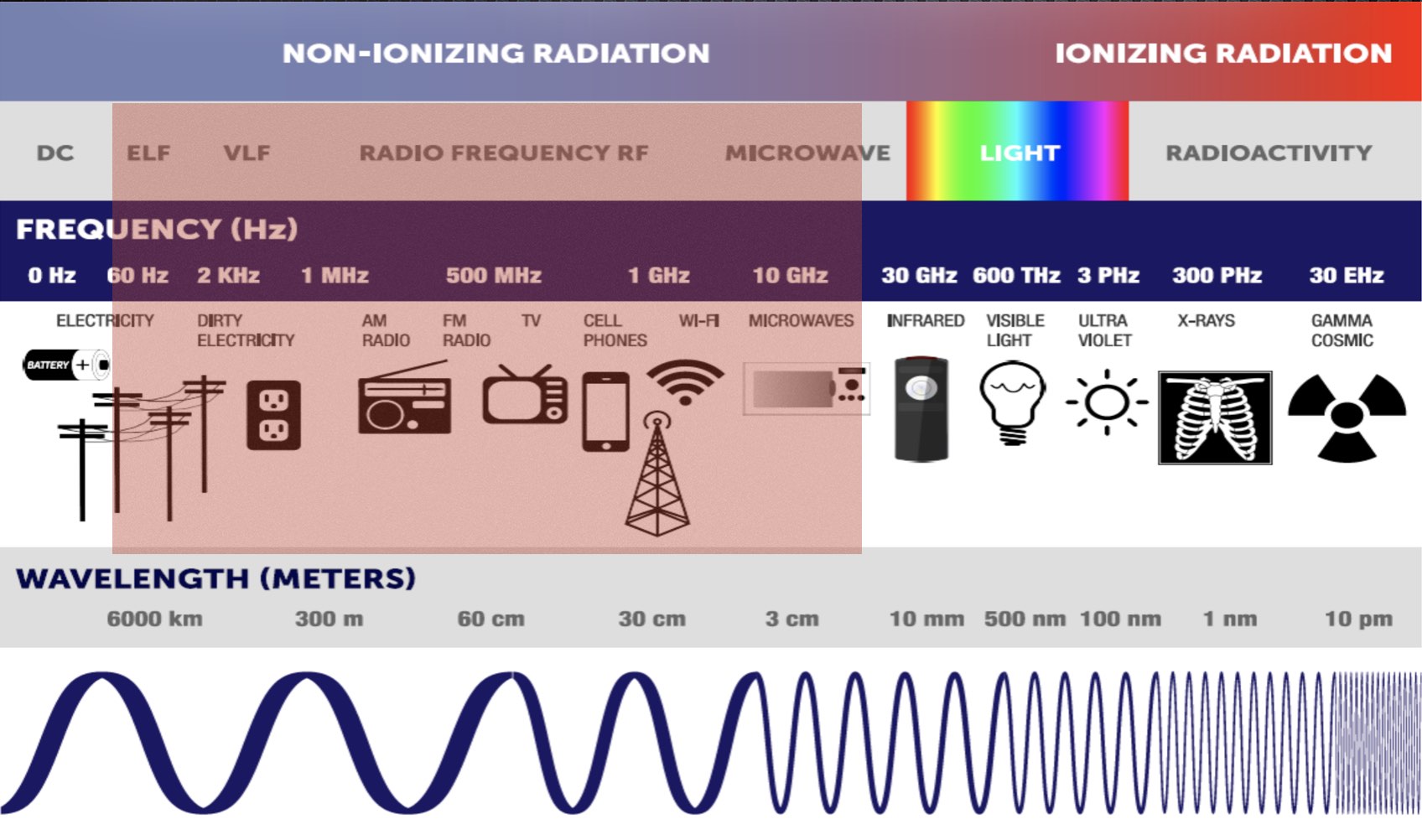
EMF encompasses a broad spectrum of frequencies, forming what is known as the electromagnetic spectrum. This spectrum spans from extremely low-frequency (ELF) radiation, associated with power lines and electrical devices, to radiofrequency (RF), microwaves, infrared, visible light, ultraviolet, X-rays, and gamma rays. Each segment of the spectrum exhibits distinct properties and interactions with matter.
Challenges and Damage:
While the physics of EMF has paved the way for countless technological advancements, concerns persist regarding the impact of prolonged EMF exposure on human health. The intricate dance of electric and magnetic forces, gives rise to the vast spectrum of EMF frequencies, each with unique interactions with biological systems. Many studies have shown the adverse effects of EMF exposure, raising questions about its role in cellular stress, DNA damage, and disruptions to natural biological processes. To learn more about the health impact on our bodies of RF-EMF’s (the most common EMF present in everyday life) read this article.
Final Thoughts:
The physics of electromagnetic fields is a captivating journey into the intricacies of electric and magnetic forces. EMF physics remains a cornerstone of modern science and technology, however, it is very important to stay mindful of its health impact.
 English