OFFERING WORLD WIDE SHIPPING!!



In our increasingly connected world, electronic devices and communication technologies surround us, emitting electromagnetic fields (EMF). Researched collected by the National Institute of Health found that this “EMFs emitted by mobile phones [and other RF-EMF devices]… can penetrate into the body and cause vibration of charged or polar molecules inside”. As further elaborated by WHO (World Health Organization) The EMF electric fields act on humans conductive properties to get absorbed into the skin and “induce circulating currents within the human body” which imbalances free radicals and antioxidants. (Who) This imbalance contribute to cellular and DNA damage, as further elaborated in this article. However there are easy and effective scientifically proven strategies to reduce your exposure to EMF radiation today.
Ways You Can Reduce Your Exposure To EMF:
Create Device-Free Zones:
Create Device-Free Zones:
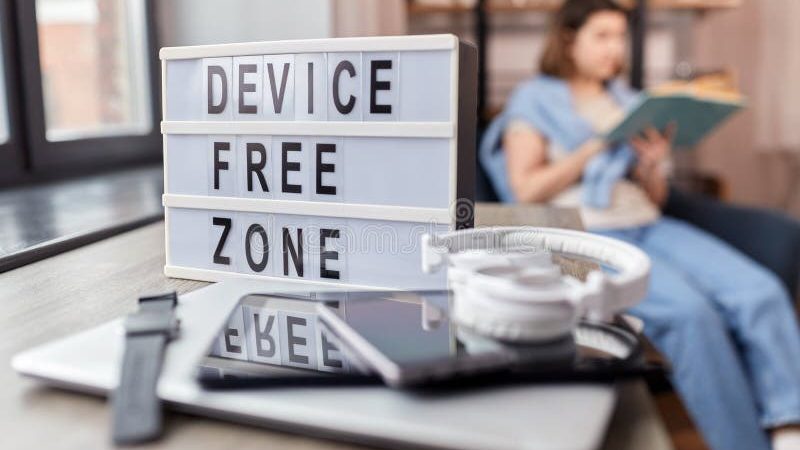
Continuous exposure to EMFs from multiple devices throughout the day can contribute to cumulative exposure levels. Designate specific areas in your home, such as the bedroom or dining area, as device-free zones to break from constant EMF emission. This reduces your proximity to EMF sources and minimizes overall exposure, especially during restorative activities like sleep and meals. EMFs, particularly from wireless devices, have been associated with disruptions in sleep patterns leading to poor sleep quality and overall well-being.
Use Wired Connections:
Use Wired Connections:
Whenever possible, opt for wired connections instead of wireless ones. Connect your computer, gaming consoles, and other devices directly to the internet using Ethernet cables to reduce wireless EMF exposure. Ethernet cables do not emit RF-EMF however Devices that connect wirelessly, such as through Wi-Fi, emit radio-frequency (RF) signals, contributing to the ambient electromagnetic fields. Using an EMF meter, you can test the reduction in EMF emitted by the WIFI router before using an Ethernet cable and after.
Turn Off Wi-Fi at Night:
Turn Off Wi-Fi at Night:
Power down your Wi-Fi router at night to limit exposure during sleep. Electromagnetic fields in the bedroom can interfere with the body’s natural circadian rhythm at a time when the body is undergoing essential repair and restoration processes. By turning off Wi-Fi and other electronic devices at night, you are creating an environment that supports better sleep quality and allowing your body to properly restore and rejuvenate.
Educate Yourself on EMF Sources:
Educate Yourself on EMF Sources:
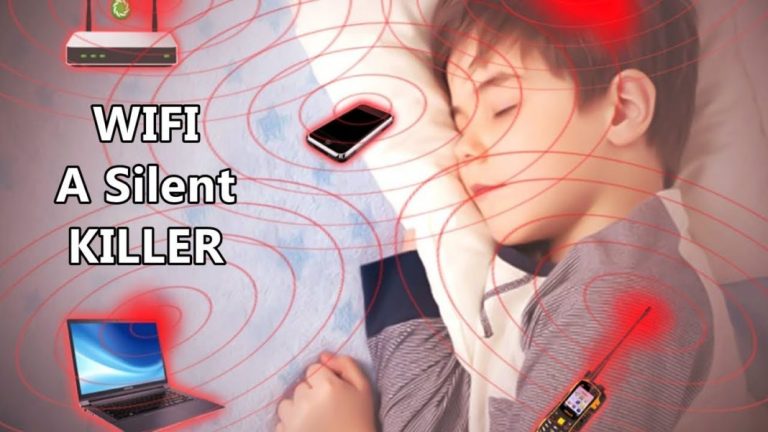
Understand the sources of EMF radiation in your environment. Common sources include wireless routers, smartphones, smart meters, and electronic appliances. Being aware of these sources allows you to make informed decisions about their placement and use. We recommend also purchasing an EMF meter and checking the emf emitted from your household devices. For example you may find that your alarm with is constantly near your head at night is emitting dangerously high RF-EMF radiation.
Choose Low EMF Appliances:
Choose Low EMF Appliances:
When purchasing new appliances, look for models with low electromagnetic emissions. Check product specifications for information on EMF levels, and opt for devices such as watches and alarms that have low emf emission. It is also important to make sure these devices do not have Bluetooth as this emits a significant amount of radiation as well.
Use Airplane Mode:
Use Airplane Mode:
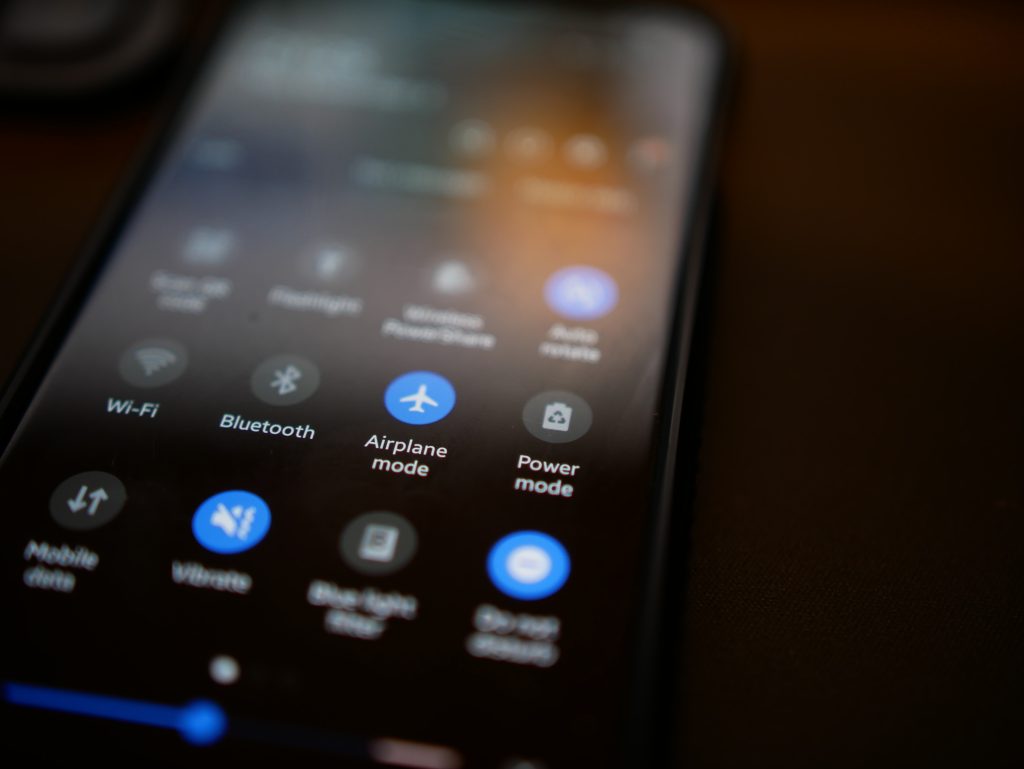
Switch your mobile devices to Airplane mode when not in use. This not only conserves battery life but also reduces EMF emissions. Airplane mode reduces these emissions from a mobile device by disabling its wireless communication functions. When you activate airplane mode, the device essentially disconnects from wireless networks and turns off its radio-frequency (RF) transmitting functions. Consider using this mode when spending extended periods on devices without needing connectivity. When connecting your device to the internet by wire, you can also turn them on airplane mode to stop them emitting emf signals.
Invest in EMF-Reducing Products:
Invest in EMF-Reducing Products:
Explore the market for products designed to reduce EMF exposure. Examples include EMF shielding cases for mobile phones, laptop pads. It is very important to be diligent when researching these products and look for a scientific explanation in the product description on how the product actually shields from radiation emission as unfortunately there are a lot of scams out there ripping innocent people off who are just trying to protect themselves.
Maintain Distance from Devices:
Maintain Distance from Devices:
Keep a safe distance from electronic devices, especially when not in use. Avoid placing laptops directly on your lap, and position your desktop computer, router, and other devices in areas where you spend minimal time to reduce your exposure levels to EMF radiation.
Use EMF-Blocking Materials:
Use EMF-Blocking Materials:
Consider incorporating EMF-blocking materials into your home. For example, curtains or fabrics made from conductive materials like copper or silver can act as barriers, reducing the penetration of electromagnetic radiation. Aluminium sheeting are also a very useful at absorbing and reflecting emf radiation due to their high conductive properties. However do not put aluminium sheeting in a room with EMF emitting devices as it will reflect the EMF field emitted onto it and just trap the field in a room and amplify it. This is why it is very important that you do not bring any devices into the SleepSafe such as a smart watch and phone and instead opt for a non-EMF emitting alarm clock.
EMF-Blocking Clothing:
EMF-Blocking Clothing:
For personal protection, consider clothing made from EMF-shielding fabrics. The design of EMF-blocking clothing is often based on the principles of a Faraday cage. A Faraday cage is an enclosure made of conductive materials that can block electromagnetic fields. Similarly, these garments typically incorporate special materials that have conductive properties, such as metallic fibers or fabrics allowing them to absorb, reflect, or redirect electromagnetic radiation which in turn stops them from reaching the body. When EMFs encounter these materials, they induce currents in the conductive fibers, which, in turn, generate magnetic fields that counteract the incoming radiation. Common materials include silver, copper, nickel, or other metal-based textiles. Fabrics may be blended with other textiles to ensure that the clothing remains comfortable to wear while providing effective EMF protection.
Final Thoughts:
Minimizing everyday exposure to EMF radiation involves a combination of conscious lifestyle choices and adopting practical measures. Incorporating these strategies can empower individuals to make informed decisions and create safer environments that align with their preferences for a balanced and mindful approach to technology use. Always stay informed and consult with professionals if you have specific concerns about EMF exposure and its potential impact on health.
 English